
Civic engagement is how everyday people shape their communities through voting, volunteering, attending town halls, advocating for change, and participating in cultural or environmental initiatives. For Canadian Muslims and newcomers, these activities bridge the gap between individual values and collective progress, turning concern into action and isolation into belonging.
You don’t need political connections or decades of residency to make a difference. A parent attending a school board meeting, a student joining a cleanup day, or a professional mentoring youth all exemplify civic engagement. These acts strengthen democracy, address local needs, and help communities foster involvement across diverse backgrounds.
The barriers feel real. Many newcomers worry their English isn’t strong enough, they don’t understand Canadian systems, or they won’t be welcomed. Community leaders wonder how to mobilize busy families balancing work, childcare, and settlement. Yet civic engagement thrives when it meets people where they are. Voting in your first election, organizing a food drive through your mosque, or speaking up at a community consultation all count.
This article walks through 12 concrete examples spanning formal political participation, grassroots volunteering, cultural celebration, advocacy, and environmental stewardship. Each example includes context on how it works in Canada, why it matters, and how you can start regardless of your background or experience. Whether you’re looking to deepen your roots in a new country or amplify your community’s voice, you’ll find accessible entry points here.
What Civic Engagement Looks Like in Practice
Civic engagement isn’t reserved for politicians or seasoned activists. It spans a wide spectrum, from simple daily choices to structured leadership positions, and every form matters.
At one end, you have everyday actions: striking up a conversation with a neighbor, helping an elderly person carry groceries, or attending a school play. These informal gestures build the social fabric that holds communities together. Moving up the spectrum, you’ll find organized volunteering, sorting donations at a food bank, coaching a youth soccer team, or tutoring English learners. These commitments require more time but create measurable impact.
Further along, civic engagement takes more structured forms: serving on a parent council, joining a neighborhood association, or participating in town hall meetings. These roles give you direct input into decisions that shape your community. At the highest levels are formal leadership positions, running for local office, chairing a non-profit board, or leading advocacy campaigns.
The beauty of this spectrum is that you can start wherever you are. New to Canada? Begin with small, comfortable steps. Been here for years? Consider leveraging your experience in advisory roles. Your background, language skills, schedule, and comfort level don’t limit your options, they simply help you find the right entry point.
Voting and Electoral Participation
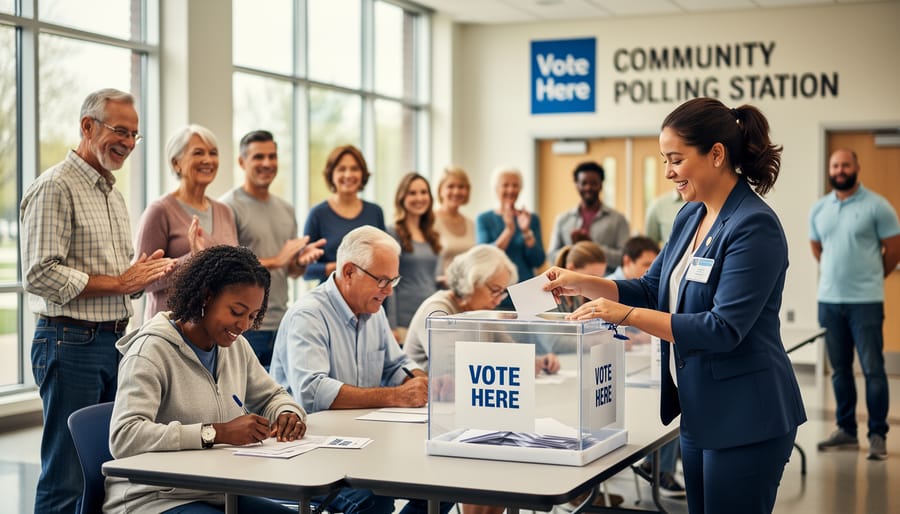
Voting stands as one of the most direct forms of civic engagement, giving you a formal voice in the decisions that shape your community and country. In Canada, citizens aged 18 and older can vote in federal elections (for members of Parliament), provincial elections (for members of provincial legislatures), and municipal elections (for mayors, councillors, and school trustees). Each level of government affects different aspects of daily life, federal government handles immigration and defense, provinces manage healthcare and education, and municipalities oversee local services like transit, roads, and libraries.
Understanding your federal voting eligibility is the first step. Once you become a Canadian citizen, you automatically gain the right to vote. The process itself is straightforward: register to vote (often possible when filing taxes or online through Elections Canada), research candidates and their platforms, then cast your ballot on election day or through advance polling.
For new citizens, voting represents both a right and a responsibility. It connects you to the democratic process and demonstrates active membership in Canadian society. Many communities offer voter information sessions in multiple languages, and Elections Canada provides materials explaining how the system works. Municipal elections, held every few years depending on your province, often see lower turnout yet directly impact neighbourhood concerns like snow removal, park maintenance, and local development, making your vote particularly influential at this level.
Volunteering with Community Organizations
Faith-Based Community Service
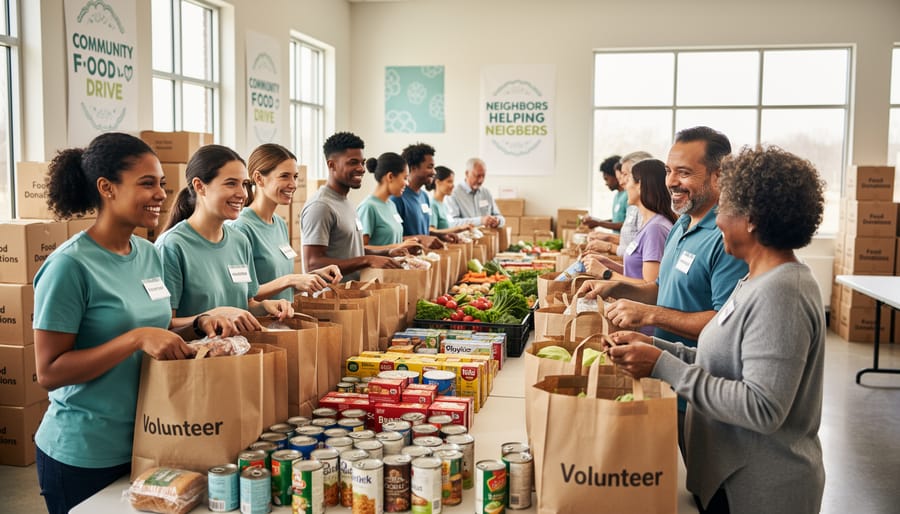
Mosques and Islamic organizations across Canada offer numerous volunteer opportunities that combine faith with community service. Many congregations run food banks and hot meal programs that serve both Muslim and non-Muslim neighbors, operating year-round but especially active during Ramadan. Refugee sponsorship committees help newcomer families settle, providing everything from airport pickups to language practice and job search support.
Islamic relief organizations coordinate disaster response, emergency aid distribution, and ongoing poverty alleviation programs. These roles range from hands-on packing and delivery to administrative coordination and fundraising.
Interfaith initiatives present particularly meaningful engagement opportunities. Mosques partner with churches, synagogues, and temples on shared service projects like homeless outreach, environmental cleanups, and multicultural celebrations. These collaborations build understanding while addressing community needs.
Youth programs, Islamic schools, and weekend madrasas always need volunteers for tutoring, event coordination, and mentorship. Health clinics operated by Muslim organizations serve low-income patients regardless of faith background.
This faith-based service fulfills religious obligations while strengthening ties to the broader Canadian community.
Secular Community Programs
Canadian libraries, hospitals, environmental groups, and recreation centers welcome volunteers from all backgrounds. Libraries need reading buddies for literacy programs, event assistants for author talks and workshops, and help with technology sessions for seniors. Many operate ESL conversation circles where newcomers can practice English while meeting neighbors.
Hospitals and long-term care facilities seek friendly visitors, patient navigators who help families understand the healthcare system, and volunteers for gift shops or information desks. Environmental organizations run tree planting days, river cleanups, and citizen science projects monitoring local wildlife. Recreation centers need sports coaches, activity leaders for community events, and assistants for summer camps.
These opportunities rarely require specialized credentials, just reliability and a willingness to help. Most provide orientation and training. Start by contacting organizations that interest you or checking municipal volunteer databases. Many programs offer flexible schedules, making it easier to volunteer around work or family commitments while building connections outside your immediate community.
Attending Town Halls and Public Consultations
Attending town halls and public consultations gives you direct access to decision-makers shaping your neighborhood. These meetings address issues that affect your daily life, zoning changes, transit routes, park development, library hours, noise bylaws, and local spending priorities.
Municipal governments hold regular council meetings and special consultations on specific topics. You don’t need special qualifications to attend. Most meetings welcome public input through open-mic periods, written submissions, or surveys. Check your municipality’s website for schedules and agendas, which list what topics will be discussed.
Showing up matters. When officials see community members at meetings, they understand which issues resonate. Your perspective as a Canadian Muslim or newcomer brings valuable insight, especially on questions about cultural facilities, inclusive programming, or services for diverse populations.
If speaking publicly feels intimidating, start by observing. Watch how others present their points, usually two to three minutes of clear, specific comments work best. You can also submit written feedback or bring a friend for support.
Public consultations often focus on major decisions: new community centers, traffic calming measures, or anti-discrimination policies. These gatherings shape the physical and social landscape of your community for years. Your voice ensures decisions reflect the full diversity of residents.
Joining Advisory Committees and Boards
Serving on advisory committees and boards gives you a direct voice in decisions that shape your neighborhood, schools, and community organizations. These positions range from parent councils at your child’s school to diversity committees in municipal government, each offering a chance to influence how resources get distributed and policies get formed.
School councils let parents participate in education decisions, from budget priorities to program offerings. If you’ve wondered why certain subjects aren’t taught or facilities need improvement, joining your school’s council puts you in the room where those conversations happen. Neighborhood associations similarly tackle local issues like park improvements, traffic safety, and community events.
Many organizations actively seek members who bring diverse perspectives. Diversity and inclusion committees within corporations, universities, and government bodies specifically need voices that reflect the communities they serve. Community representation on these boards ensures decisions consider the needs of Muslim Canadians and newcomers who might otherwise be overlooked.
Non-profit boards govern everything from food banks to cultural centers, setting strategic direction and overseeing finances. While some board positions require specific expertise, many simply need committed community members who care about the mission. Most meet monthly or quarterly, making the time commitment manageable even for busy schedules. Your lived experience as a newcomer or Muslim Canadian is valuable expertise that enriches these decision-making bodies.
Supporting Causes Through Advocacy and Awareness
Advocacy does not always require formal titles or big platforms. Speaking up for what matters to your community, whether through petitions, letters to your MP, or peaceful gatherings, is civic engagement in action. For Canadian Muslims, advocacy often addresses issues that directly affect daily life: ensuring religious accommodations in workplaces and schools, pushing back against hate crimes, or supporting refugee resettlement programs.
Grassroots advocacy starts small. You might sign an online petition calling for better transit access in your neighborhood, or email your city councillor about the need for halal food options at community centers. Contacting elected representatives carries real weight; they track constituent concerns and respond to patterns in the messages they receive. A short, respectful email explaining how a policy affects you can influence decisions more than you think.
Peaceful demonstrations and rallies also play a role, bringing visibility to causes that need public attention. Canadian Muslims have successfully advocated through actions like:
- Organizing community safety walks and dialogues with police to address hate crime prevention
- Petitioning school boards for prayer space accommodations and inclusive holiday policies
- Rallying support for Syrian refugee sponsorship programs through mosques and community groups
- Submitting deputations at city council meetings on Islamophobia and discrimination
Social media extends your reach. Sharing accurate information, amplifying marginalized voices, and using hashtags tied to local campaigns helps raise awareness beyond your immediate circle. Whether you are correcting misconceptions about Islam or promoting a fundraiser for a community cause, these digital actions build momentum. Advocacy does not demand hours every day, it asks for your voice when it counts.
Mentoring and Youth Engagement
Investing in the next generation creates lasting community impact. When you mentor a newcomer navigating settlement challenges, tutor a student struggling with homework, or coach a youth soccer team, you’re doing more than helping individuals, you’re building social capital and modeling active citizenship.
Mentoring programs connect experienced community members with recent immigrants, offering guidance on everything from job searching to understanding Canadian workplace culture. Many mosques and Islamic centers run Big Brother/Big Sister-style initiatives that pair adults with youth facing integration challenges. These relationships often spark lifelong engagement.
Youth leadership programs teach civic skills directly. Organizations like the Canadian Muslim Vote encourage young people to organize campaigns, speak at public events, and advocate for community needs. Amplifying youth civic voice ensures fresh perspectives shape community decisions.
Tutoring extends beyond academics, it builds confidence and belonging. Whether helping with English language skills, math homework, or university applications, you’re equipping young people to participate fully in Canadian society.
Coaching sports or leading Scout groups teaches teamwork, perseverance, and community responsibility through action rather than lectures. These roles require no special credentials, just genuine interest in youth development and consistent commitment.
Participating in Cultural and Interfaith Initiatives
Cultural and interfaith initiatives offer powerful ways to celebrate diversity while building bridges across communities. These activities allow you to share your heritage, learn about others, and strengthen the social fabric that makes Canadian neighborhoods vibrant.
Participating in cultural festivals, whether as an organizer, volunteer, or attendee, creates opportunities for meaningful exchange. Islamic Heritage Month events, Ramadan community iftars, and Eid celebrations open doors for neighbors to experience Muslim traditions firsthand. Similarly, attending other communities’ festivals demonstrates respect and curiosity that fosters mutual understanding.
Interfaith dialogues bring together people from different religious backgrounds for honest conversations about shared values and respectful differences. Many mosques partner with churches, synagogues, and temples to host discussion circles, joint service projects, or educational panels. These gatherings reduce misconceptions and build personal relationships that outlast any single event.
Educational initiatives like cultural workshops, language exchanges, and speaker series help communities learn from one another. Sharing your perspective at a school’s multicultural day or hosting a henna demonstration at a community center teaches others while affirming your identity.
These engagements work both ways: you showcase your culture while discovering the richness of Canada’s multicultural landscape. The connections you form become the foundation for broader civic collaboration on issues affecting everyone.
Supporting Local Businesses and Social Enterprises
Economic participation is a powerful but often overlooked form of civic engagement. When you shop at a neighborhood grocery store instead of a big-box chain, you’re keeping money circulating in your community, creating jobs for your neighbors, and strengthening the local tax base that funds schools and infrastructure. Supporting Muslim-owned restaurants, halal butchers, and ethnic grocery stores goes further: it helps new immigrants establish themselves, preserves cultural heritage, and builds economic resilience within your community.
Social enterprises offer another avenue for meaningful engagement. These businesses prioritize community benefit alongside profit, whether they’re hiring refugees, funding youth programs, or donating proceeds to local causes. By choosing where you spend money, you vote for the kind of community you want to live in. Start by identifying businesses aligned with your values, then make a habit of choosing them when possible. Even small purchases add up. Encourage friends and family to support local businesses share positive reviews online, and attend community markets or bazaars where local entrepreneurs gather. Your purchasing decisions shape your neighborhood’s economic landscape and create opportunities for others.
Environmental Stewardship and Neighborhood Improvement

Environmental stewardship offers accessible entry points for civic engagement that require no specialized skills or language fluency. Community clean-up events, where volunteers gather to remove litter from parks, trails, or waterways, happen regularly across Canadian neighborhoods. Many municipalities organize these through Parks and Recreation departments, while environmental groups like EcoAction or local conservancies schedule seasonal drives that welcome all participants.
Tree planting initiatives expand urban canopies while creating greener, cooler neighborhoods. Cities from Toronto to Vancouver run annual planting programs where volunteers help achieve municipal climate goals. You contribute to measurable environmental improvement while meeting neighbors who share your commitment to local spaces.
Community gardens provide plots where residents grow vegetables, herbs, and flowers while building relationships across cultural lines. These shared spaces often become informal gathering points where gardening knowledge crosses generations and backgrounds. Many gardens reserve plots specifically for newcomers, recognizing both the therapeutic value and the opportunity to grow culturally significant foods.
Recycling and composting education programs need volunteers to staff information booths at community events or help neighbors understand waste sorting systems. Other hands-on options include maintaining pocket parks, installing rain barrels, or participating in citizen science projects that monitor local wildlife.
These activities improve your immediate surroundings while demonstrating environmental responsibility that benefits everyone.
Getting Started: Choosing the Right Engagement for You
Choosing where to direct your civic energy starts with honest self-reflection. Consider what issues genuinely matter to you, whether that’s education, newcomer support, environmental protection, or faith-based service, because passion sustains long-term involvement. Next, take stock of your practical constraints: how many hours weekly can you realistically commit, and what skills do you already bring? A software developer might volunteer for digital literacy programs, while someone with cooking skills could support community kitchens.
New immigrants often face specific barriers that feel insurmountable but aren’t. Language concerns top the list, yet many opportunities don’t require perfect English, community gardens, sports programs, and cultural events welcome participation over fluency. Others worry about unfamiliarity with Canadian systems, but this is precisely why mentorship programs and newcomer-focused organizations exist. Reach out to settlement agencies, your local mosque, or cultural associations; these groups actively connect people to appropriate opportunities and provide orientation.
Time constraints are real, especially when balancing work and family, so reject the myth that civic engagement requires enormous commitments. Attending one town hall quarterly, helping at a single food drive, or joining a monthly book discussion all count. Start smaller than you think necessary, a two-hour monthly commitment builds the habit without overwhelming your schedule. As you gain familiarity and confidence, you’ll naturally discover which activities energize you enough to expand your involvement. The goal isn’t doing everything; it’s finding your sustainable contribution to the community you’re building together.
Frequently Asked Questions About Civic Engagement
Do I need to be a Canadian citizen to participate in civic engagement?
No. While voting requires citizenship, permanent residents and even visitors can volunteer, attend public meetings, join community organizations, and advocate for causes. Many forms of civic participation are open to everyone.
How much time does civic engagement actually require?
It varies widely based on what you choose. Attending one town hall meeting takes two hours, while volunteering might be a few hours monthly. Start small with whatever fits your schedule, even one action matters.
What if my English isn’t perfect?
Many community organizations welcome multilingual volunteers and offer opportunities where language barriers aren’t an issue, like community gardens or food banks. Your lived experience and willingness to help matter more than perfect English.
How can I find civic engagement opportunities in my area?
Check your municipal website for volunteer databases, visit local mosques and community centers, browse Volunteer Canada’s website, or contact organizations directly. Libraries often post community bulletins with local opportunities.
Can my religious practice be part of civic engagement?
Absolutely. Faith-based service through mosque programs, organizing iftar dinners for neighbors, participating in interfaith dialogues, and applying Islamic values of justice and service to community wellness initiatives are all meaningful forms of civic participation.
These questions reflect real concerns many newcomers share. The beauty of civic engagement is its flexibility, you can start where you are, with what you have, and grow your involvement as you become more comfortable. No question is too basic, and most community organizations welcome curious newcomers who want to learn and contribute.
Civic engagement is more than a civic duty, it’s a pathway to belonging, personal growth, and meaningful connection. Whether you cast a ballot in your first municipal election, volunteer an afternoon at a community garden, or mentor a newcomer navigating life in Canada, each action strengthens the fabric of your community and deepens your own roots.
You don’t need to lead a board or organize a rally to make a difference. Small, consistent contributions matter just as much as high-profile involvement. The parent who joins a school council, the student who attends a town hall, the retiree who shares cultural stories at an interfaith event, all of them shape the communities where they live.
For Canadian Muslims and new immigrants, civic participation offers a powerful way to bridge cultures, claim your voice, and build the inclusive society we all envision. Start where you are. Choose one example from this guide that resonates with your interests, skills, or available time, and take that first step.
Canadian Muslims Education is here to support your journey. Explore our resources, connect with community networks, and discover pathways that match your goals. Your community is waiting for your unique contribution.